The Perks of Artificial Grass Installation: A Minimal-Upkeep Landscaping Solution
Synthetic turf installation constitutes a sensible approach to meet contemporary outdoor requirements. It provides natural advantages through cutting water usage and avoiding toxic chemical application. In addition, its strength and radiant appearance lower care demands and spending. As garden areas transform, the desirability of synthetic grass steadily grows. Yet, comprehending its complete array of perks is important to reach a sound choice. What unique perks could impress homeowners considering this option?
The Green Rewards of Man-Made Grass
While many homeowners seek aesthetically pleasing landscapes, the environmental advantages of artificial grass offer compelling reasons for its installation. Artificial grass considerably decreases water consumption, an important factor in regions vulnerable to drought. Traditional lawns require substantial irrigation, contributing to water scarcity; however, synthetic turf eliminates this need, conserving a critical resource.
Also, artificial grass curtails the intake of pesticides and fertilizers, which can harm local biological communities. By controlling chemical overflow, it preserves soil and waterways from contamination. In addition, synthetic grass does not involve mowing, which decreases air pollution and disturbance from lawn maintenance equipment.
Furthermore, it supplies a home for urban wildlife, as certain types of artificial grass are designed to promote biodiversity. As homeowners increasingly emphasize sustainability, the environmental benefits of artificial grass offer a progressive approach for establishing green spaces that align with ecological values.
Cut Hours and Funds With Artificial Grass
Artificial grass presents significant cost advantages by substantially cutting water usage and lowering upkeep costs. Homeowners can experience lush, green lawns without the constant maintenance associated with natural grass. As a consequence, both time and money are conserved, making artificial turf an attractive option.
Lower Water Usage
Many homeowners are learning about the vital benefits of decreased water consumption that stem from laying down artificial grass. Unlike natural lawns, which require substantial watering to maintain their appearance, artificial grass stays green without any extra water. This reduction in water consumption not only conserves a vital resource but also helps homeowners decrease their water bills substantially. In areas facing drought or water restrictions, artificial grass delivers an eco-conscious solution, making sure that outdoor spaces stay lush and welcoming without the need for ongoing watering. By opting for artificial grass, homeowners participate in green landscaping practices while having a beautiful yard that demands minimal water, rendering it a wise choice for those looking to reduce their ecological footprint.
Reduced Maintenance Expenses
Applying artificial turf to a yard greatly minimizes maintenance expenses for homeowners. Conventional lawns call for routine mowing, fertilizing, and pest management, all of which can be demanding and expensive. By comparison, artificial grass avoids the need for these activities, resulting in considerable savings over time. Homeowners skip the hassle of equipment upkeep or employing landscaping professionals. Moreover, no watering is required, further decreasing utility bills. The durability of artificial grass also means fewer replacements and repairs, increasing its cost-effectiveness. Given the minimal maintenance needed, homeowners can enjoy a flawless landscape without the ongoing financial strain related to natural grass care. Hence, artificial grass is a popular choice for those looking for a economical landscaping option.
Why Lifelike Turf Appears Amazing in Your Yard
Synthetic turf enhances a yard with its lifelike quality, closely mimicking real grass. Its all-season bright tone delivers a dense, appealing outdoor area regardless of the season. This combination of aesthetic appeal and consistency makes artificial grass a standout choice for homeowners.
Natural Appearance and Texture
Although some may question the aesthetic quality of artificial grass, its natural appearance and tactile feel often contradict such skepticism. Cutting-edge technology have produced synthetic turf that closely resembles the feel and appearance of genuine turf. The finely detailed strands emulate the complexities of grass blades, providing an genuine sensory experience. This innovation gives property owners to enjoy a verdant green landscape without the negatives of regular grass, like fading or patchiness. Moreover, the broad selection of surface variations available assures that people are able to pick a grass that ideally matches their yard environment. Ultimately, the authentic feel of synthetic grass enhances the beauty of your landscape, rendering it an attractive landscaping option.
Year-Round Lively Color
One of the standout features of synthetic turf is its capacity to maintain lush color throughout the year. Unlike natural grass, which can discolor or turn brown with variable seasons, artificial turf remains vivid and fresh regardless of weather conditions. This consistency boosts the overall aesthetic of any landscape, delivering a welcoming environment for both homeowners and visitors. The advanced technology used in designing lifelike turf guarantees that colors are not only vivid but also impervious to UV rays, preventing fading over time. Additionally, the even look of synthetic turf removes patchy spots often seen in natural lawns, establishing a sleek look. As a result, homeowners can relish a visually appealing yard without the care demanded by traditional grass.
Pet-Friendly Characteristics of Artificial Grass
In what ways do pet owners confirm their furry friends have a safe and well-maintained outdoor environment? A reliable option is the installation of pet-safe artificial grass. This synthetic turf provides a soft, cushioned surface that is gentle on paws, making it perfect for pets to play and roam around. Unlike natural grass, artificial turf is immune to muddy patches and unsightly wear, ensuring a tidy outdoor space.
Moreover, many types of artificial grass are crafted with drainage systems that permit urine and moisture to pass through, preventing unpleasant odors and maintaining the area hygienic. The materials used in artificial grass are also non-toxic, offering peace of mind to pet owners mindful of their pets' health. Furthermore, its durability guarantees it can withstand vigorous play, making it a resilient choice for families. As a result, pet-friendly artificial grass efficiently combines safety, comfort, and low maintenance for a harmonious outdoor experience.
Maintenance Made Simple: Looking after Your Turf
Caring for artificial grass is simple, allowing pet owners to focus on appreciating their outdoor space with their furry friends. Unlike real grass, artificial turf needs minimal upkeep. Frequent brushing is essential to maintain its appearance, helping to raise the strands and keep them looking precision-greens.com fresh. Animal waste can readily be cleaned up; a simple rinse with water is often sufficient. For tough stains or smells, a gentle cleaning mixture can be applied.
Occasional cleaning is also constructive to dislodge dirt and debris. In addition, providing proper drainage is critical to circumvent any accumulation of water or odors. During extreme weather, such as heavy snowfall, a light rake can help keep the surface clear. By following these simple maintenance steps, artificial grass serves as an stunning and efficient addition to any yard, establishing it an ideal choice for pet owners wanting a hassle-free outdoor experience.
Guide to a Flawless Artificial Grass Process
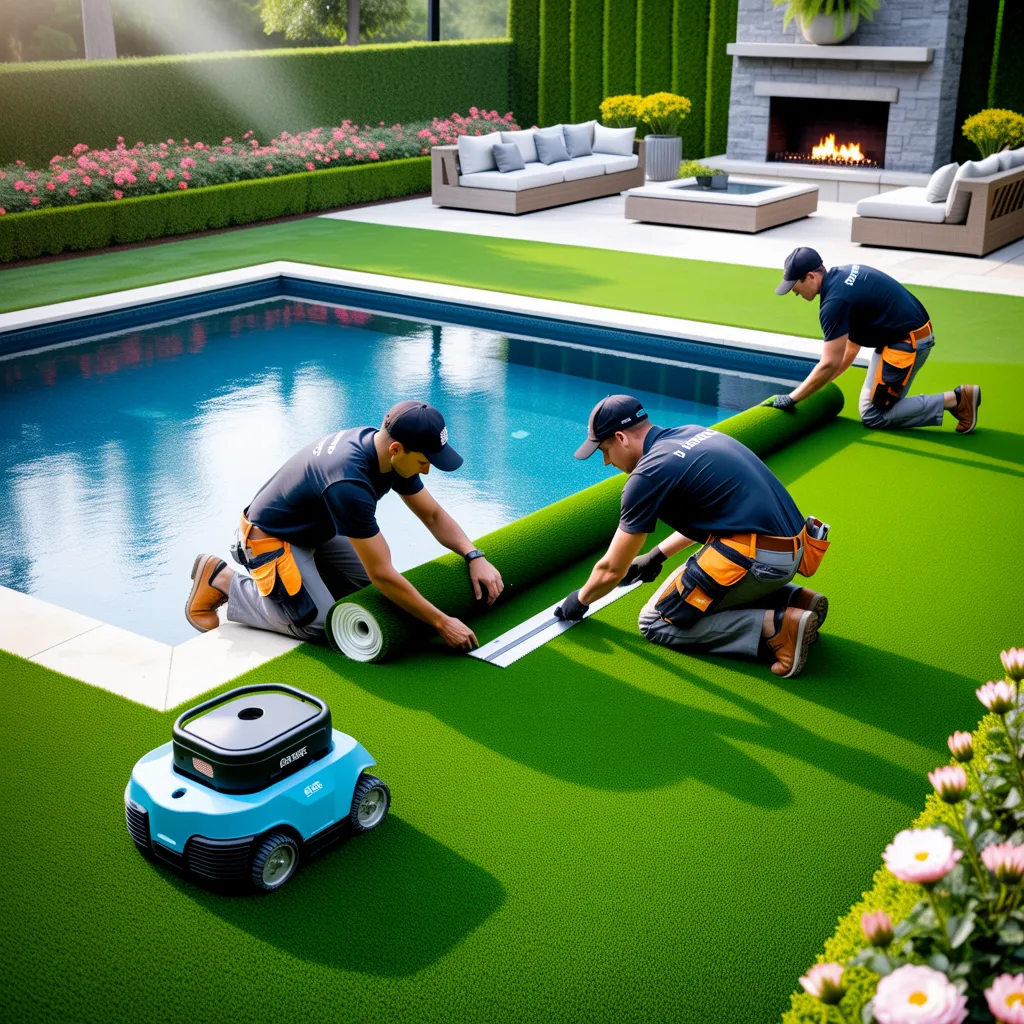
Planning an artificial grass installation demands meticulous planning to ensure a smooth installation. First, adequate ground preparation is crucial. This includes clearing the area of unwanted materials, existing grass, and weeds, then leveling the ground to establish a stable base. Next, a landscape cloth can be installed to prevent weed growth and improve drainage.
Once the base is readied, the installer should place a blend of crushed rock or decomposed granite to achieve the preferred drainage and stability. After pressing down this layer, the artificial grass rolls can be unrolled and trimmed to fit the designated area.
Secure the borders with landscape pins or adhesive, ensuring the seams are firmly connected for a realistic look. Finally, infill material, like silica sand or rubber granules, should be added to enhance stability and mimic the feel of real grass. Proper installation guarantees longevity and optimal function of the artificial turf.
How to Pick and Evaluate Artificial Grass Choices
Selecting the right artificial grass involves evaluating various options to ensure compatibility for specific needs. Key factors to contemplate include pile height, which affects look and feel, and fiber type, with options ranging from polyethylene to nylon, each offering distinct durability and feel.
In addition, you ought to assess the bulk and heaviness of the grass, as these characteristics influence resilience under foot traffic. Color choices furthermore are essential, with choices obtainable from realistic greens to more vibrant shades, accommodating personal preferences.
It is necessary to compare warranties and maintenance requirements provided by different manufacturers, confirming extended satisfaction and consistent performance. Finally, seeking samples can facilitate determining texture and aesthetics firsthand, facilitating a more informed determination. By thoughtfully weighing these aspects, individuals can opt for artificial grass that meets both structural and aesthetic criteria effectively.
Popular Questions Asked Frequently
Is Synthetic Grass Secure for Kids to Play On?
Artificial grass is generally appropriate for youth to engage in play, as it is designed to be toxin-free and free from hazardous substances. Additionally, its padded feel cuts down on the probability of accidents during playtime activities.
What Period Should You Anticipate from Synthetic Turf?
Artificial grass regularly lasts 15 to 25 years, affected by factors such as quality, usage, and external elements. Consistent maintenance can increase its years of use, maintaining a durable and attractive surface for various activities.
Can Synthetic Grass Enhance Property Value?
Artificial grass can boost property value by delivering an attractive, hassle-free option instead of natural lawns. Prospective buyers often favor the decreased maintenance and consistent visual appeal, making properties with artificial grass more sought-after in the market.
Which Regions Work Most Successfully with Artificial Grass?
Artificial grass does well in various climates, particularly in areas with moderate temperatures and low rainfall. It performs well in areas with intense warmth, arid conditions, or inadequate water availability, delivering a resilient solution for varied climate situations.
In What Ways Does Man-Made Grass Effect Local Creatures?
Artificial grass can negatively impact local wildlife by reducing natural habitats, limiting food sources, and creating barriers for small animals. However, it may also offer a protected, hygienic space for pets and play areas.